
GARDEN TOOL GUIDE: 10 TRIED-AND-TESTED ESSENTIALS
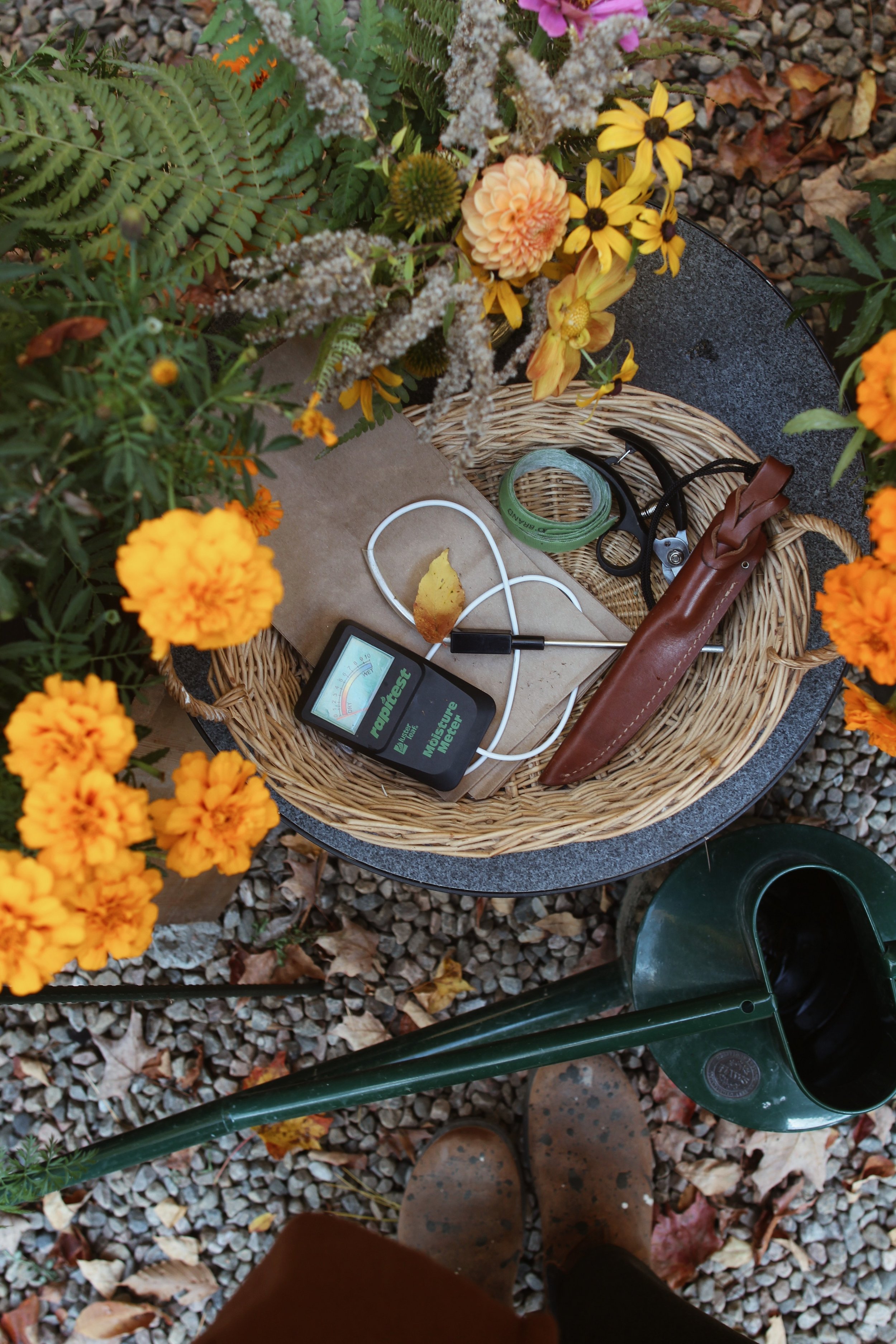
This summer we spent a lot of time tending to the various gardens we’re cultivating here at Steep Hill. We grew veggies, herbs, and greens in our kitchen garden (full tour here). Added to the perennial garden that is full of pollinator favourites. The cut flower garden hosted over 60 dahlia tubers and we had success with a bed of zinnias for the first time. The shade garden doubled in hellebores and astilbe was added. Meanwhile, several locations are in various stages of becoming pollinator paradises.
We thoroughly enjoy our role as stewards of these gardens, but it’s also a lot to manage, so having a few tools that we can rely on to help keep everything thriving is key.
As I was organizing our tools recently, I thought about how each one has earned its keep this season. While the list is top of mind, I wanted to share the most useful garden tools from this season. Some of these will be obvious, while others may not be what you’d expect.
If you’re planning or in the process of cultivating your own garden spaces and wonder what’s worth having on hand, do read on.
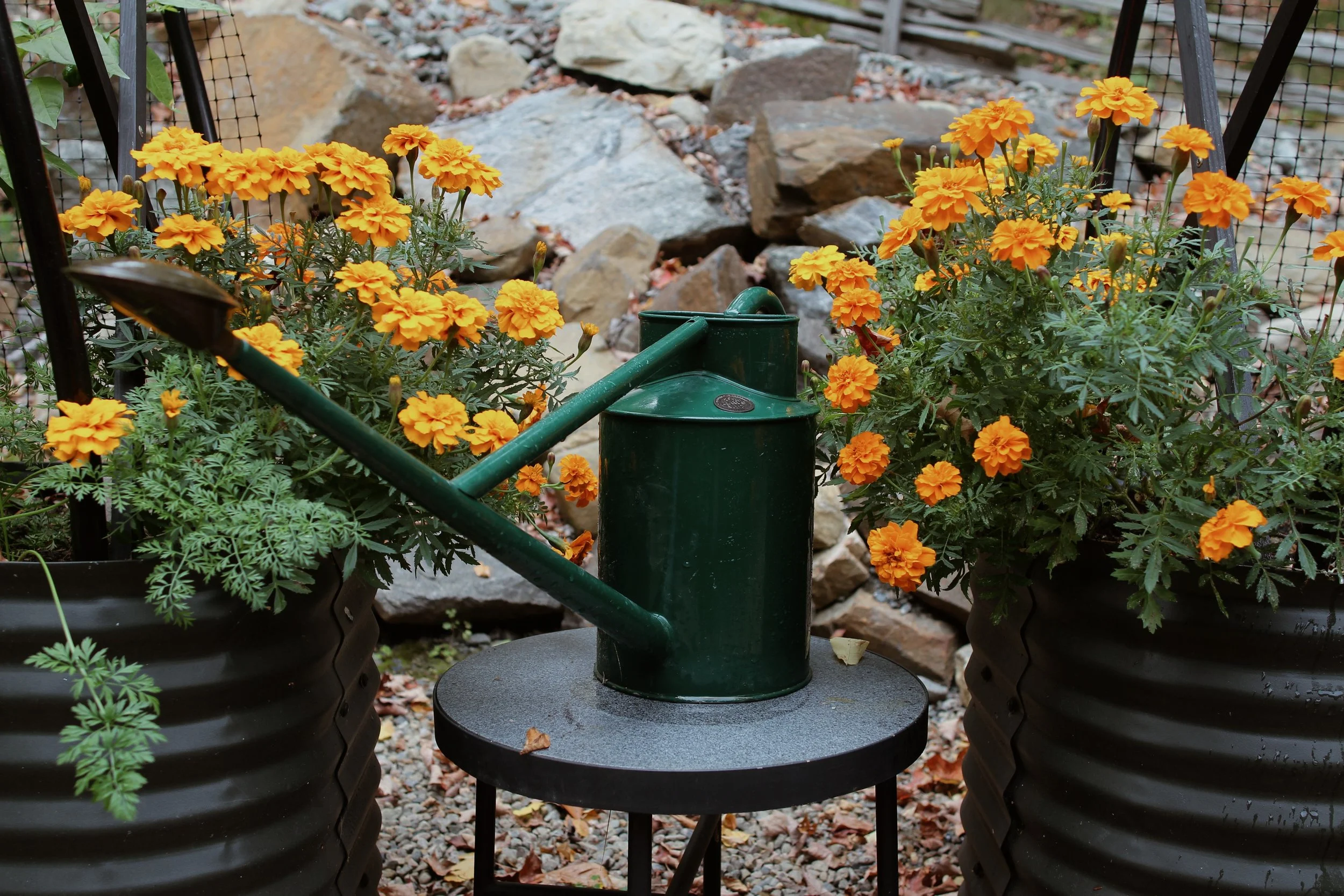
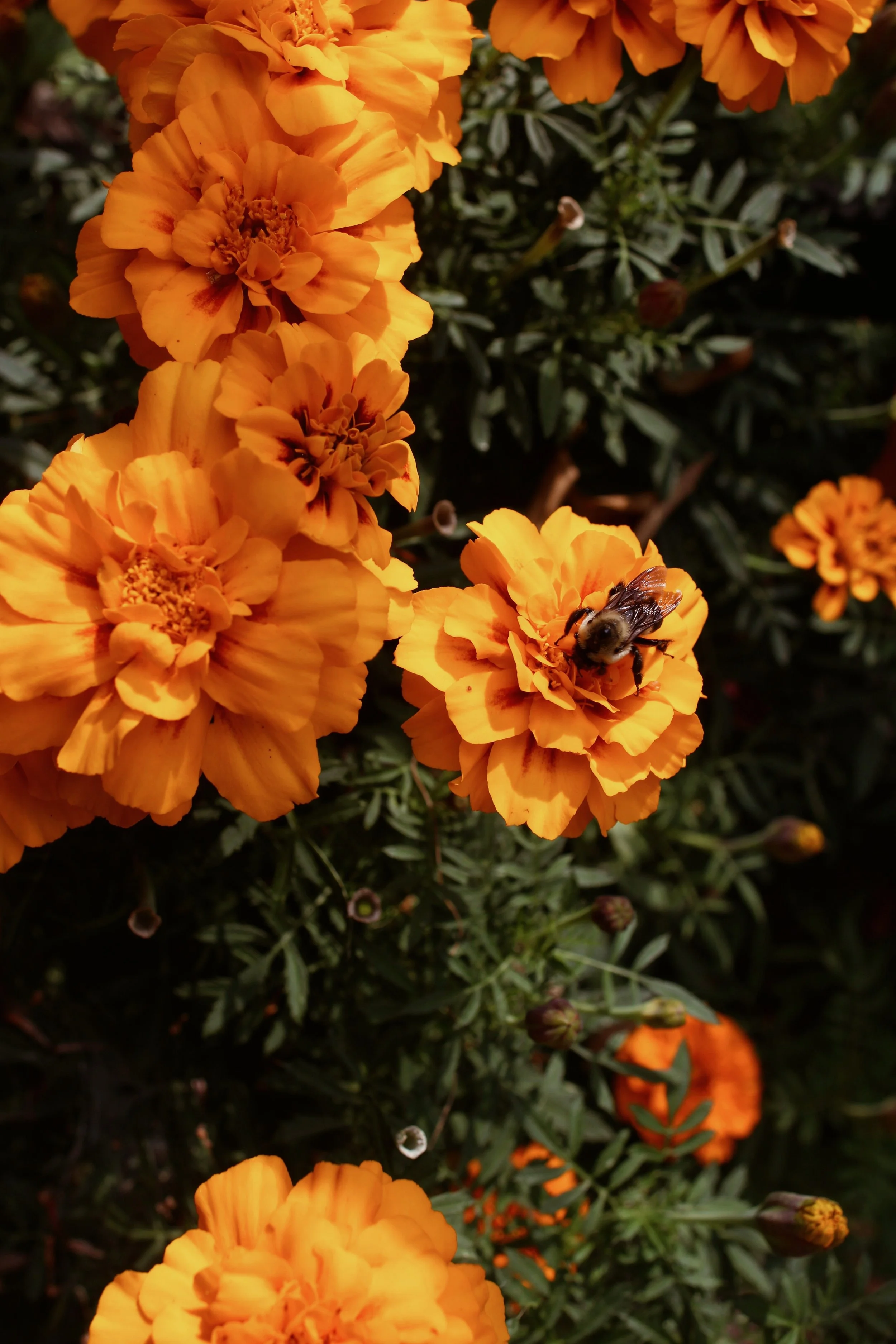
A deep green Haws watering can sits between the marigolds spilling out of the kitchen garden beds.
Haws Watering Can
This beautiful 2 Litre/9 Gallon galvanized steel watering can is a definitive garden heirloom. It was a gift from Dave, whom I must credit for always encouraging investment in high quality tools across the board.
We don’t currently have an irrigation system installed and hose access is limited, so I spent many mornings (and evenings) trundling to and from the lake with this watering can to water all the garden beds. It has been brilliantly designed to optimize the water capacity while still being easy to carry and pour from. The brass rose disperses the flow beautifully to soak the garden swiftly without overpowering delicate plants and leaves.
This watering can is an investment and will undoubtedly become an indispensable tool in your garden.
Note: I started with the smaller size for my indoor plants.
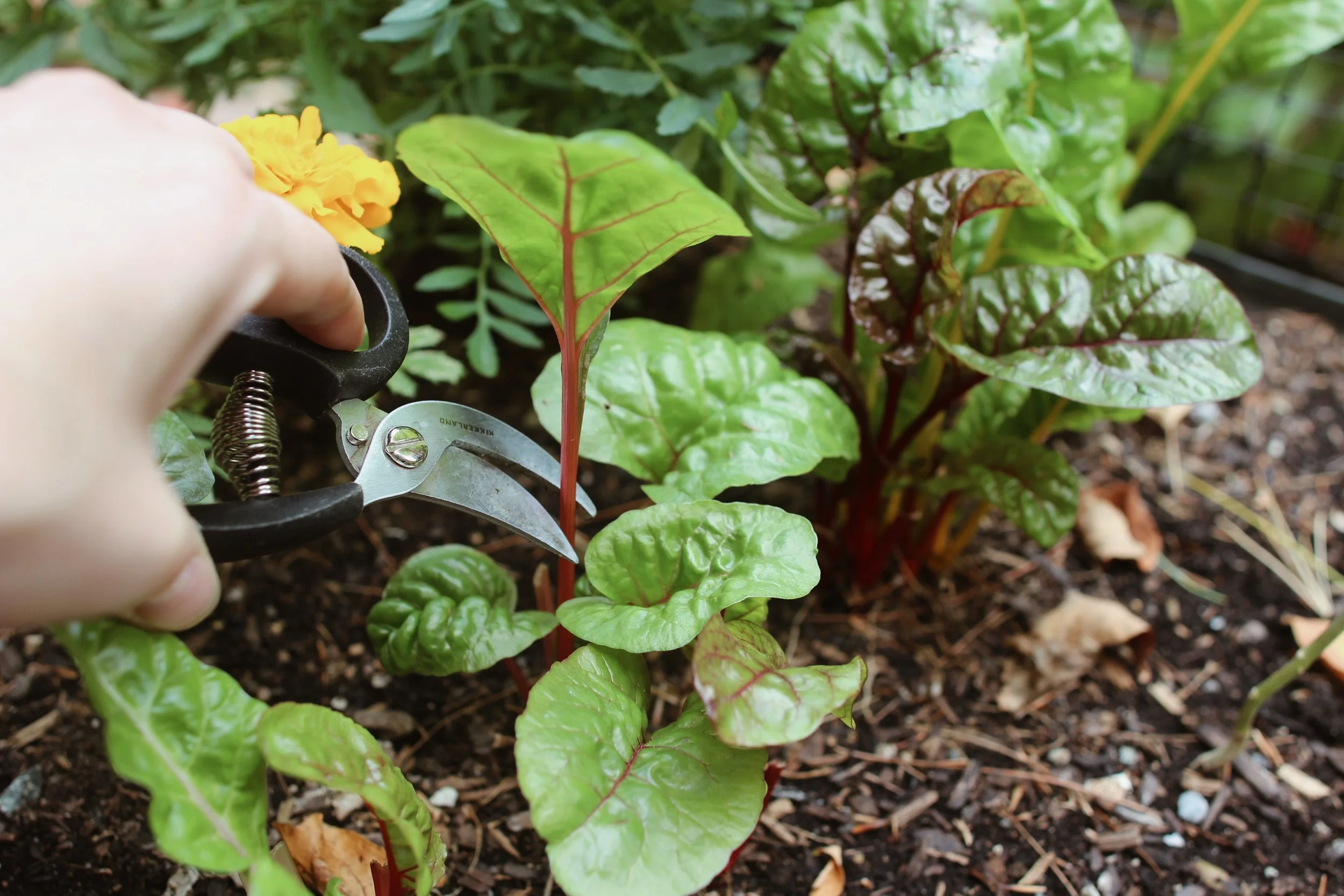
Close up of Lee harvesting Swiss chard with pocket clippers, which are perfect for the task.
Pocket Clippers
Most summer mornings I head out the cabin door, with a coffee in hand, a dachshund at my heels, and a pair of clippers in my pocket. This summer these Kikkerland Garden Shears became a staple for my morning garden puttering and maintenance. They’re small enough to tuck into a pocket, sharp enough to cut through most stems (< 1cm) and highly comfortable to use. They’re great for harvesting veggies and snipping flower stems for arrangements. Definitely worth adding to your garden tool kit.
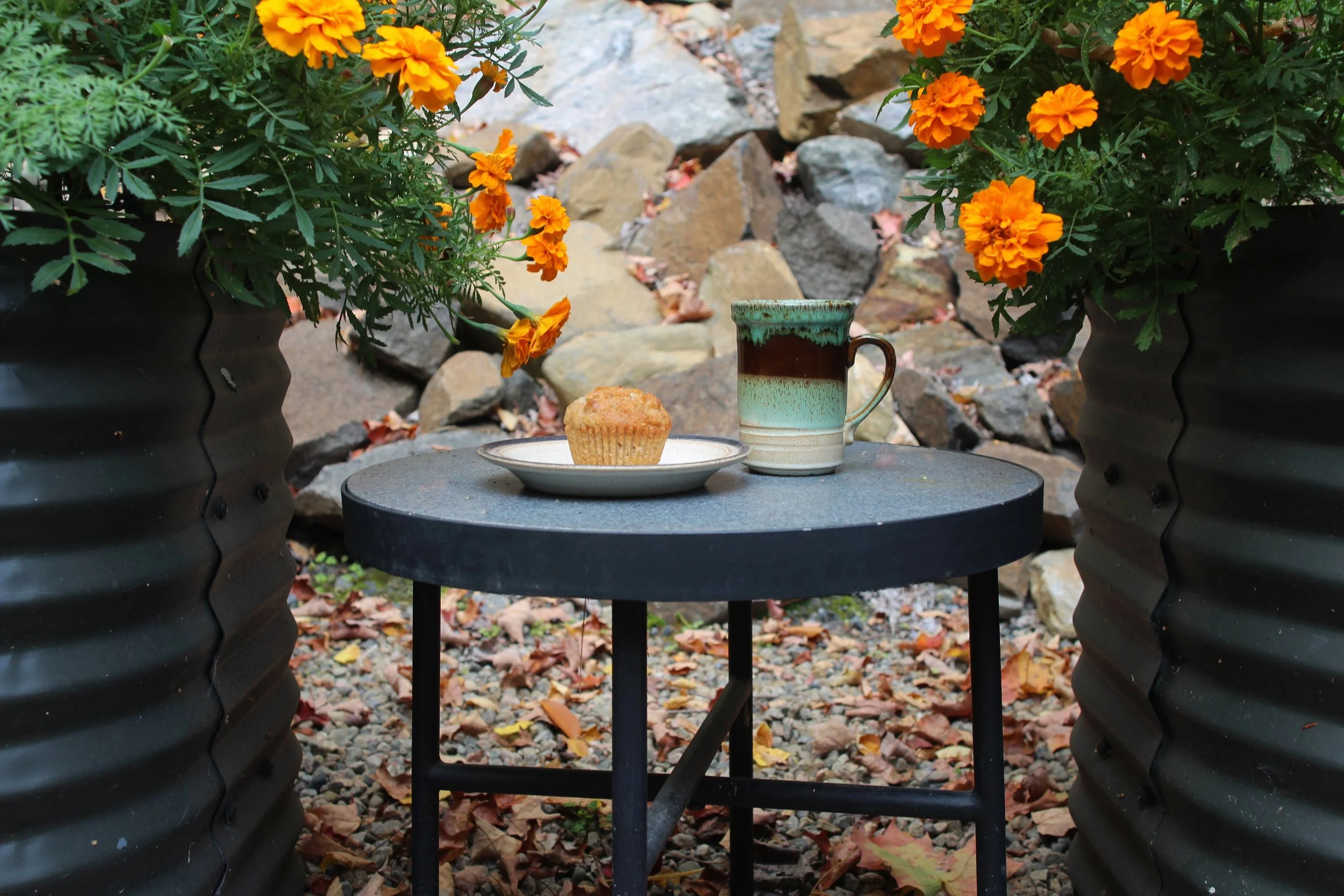
A breakfast of coffee and a fresh carrot muffin wait on the garden side table.
GARDEN SIDE TABLE
Speaking of heading out with a coffee in the morning, I believe every garden needs a little table to set things onto. Before adding this to the kitchen garden, I was always balancing my coffee on a stone or somewhere precarious but now I have a spot to put it.
The key to a useful garden table is that it’s sturdy enough to hold a heavy water can and made of materials that will weather the seasons with ease. This little steel and marble side table is one of two we brought with us from our previous home. One currently supports the planter outside the cabin and the other lives in the kitchen garden.
If you are designing a garden of any kind, a small table is a must.
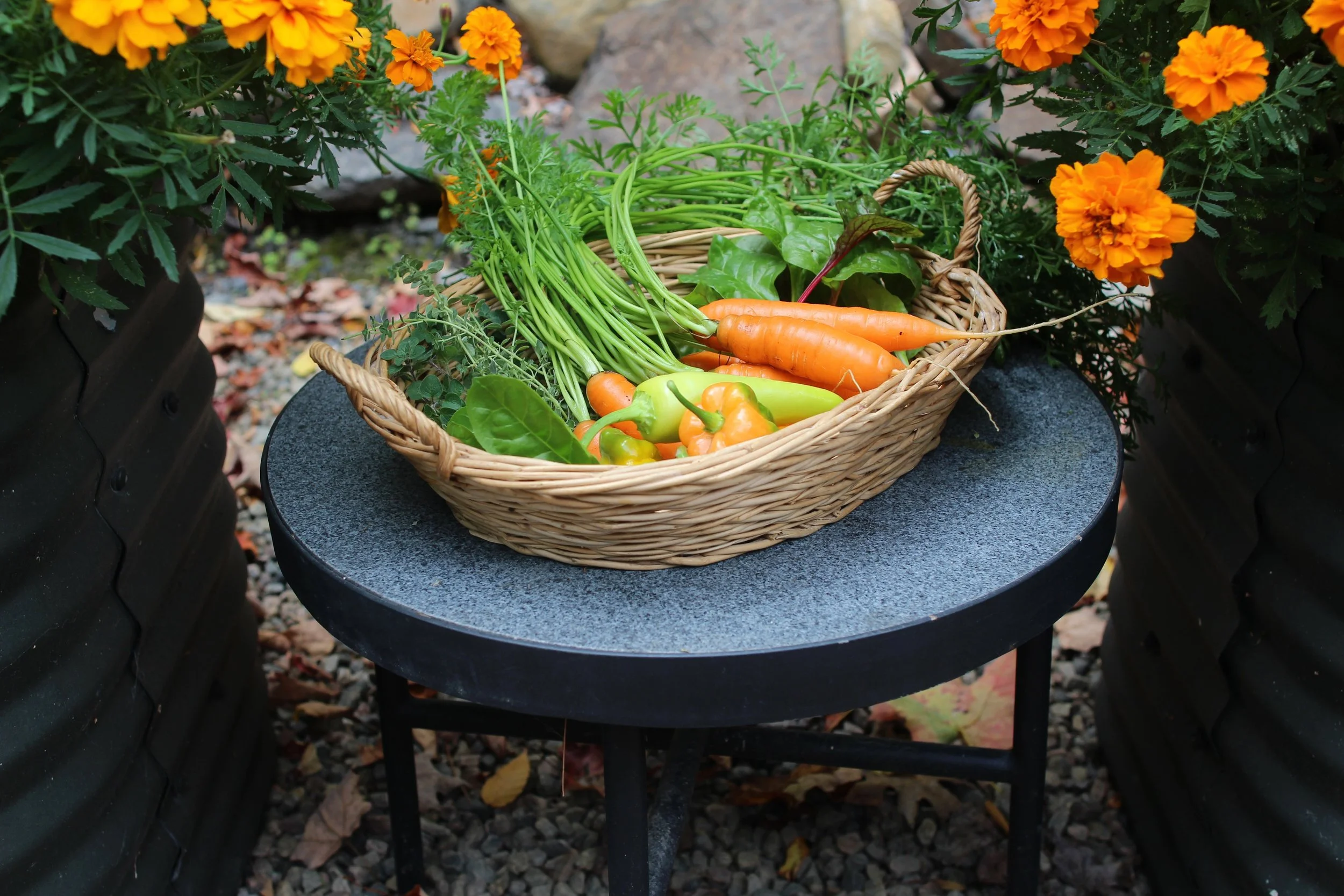
An autumnal harvest or peppers, carrots, greens and herbs fill a woven basket.
HARVEST BASKET
The best part of any kitchen garden is the experience of harvesting your hard earned produce after weeks (or months) of attentive care. Having a charming little harvest basket honours the process of collecting the fruits of your labour. Ideally it will be one with small handles, a wide flat base, and a shallow depth as I’ve found that keeps produce visible and easy to access so nothing gets buried and forgotten.
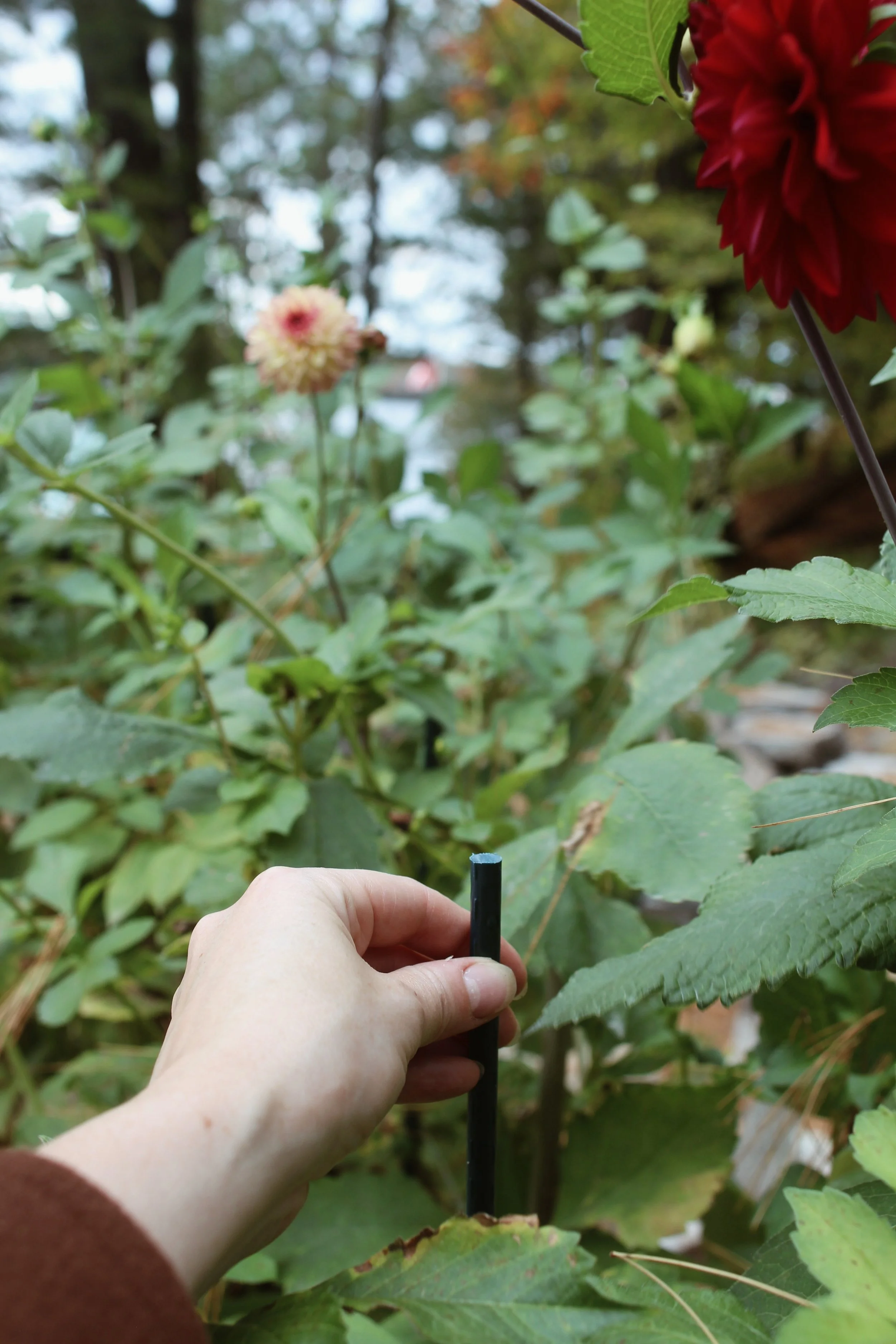
Sturdy stakes disappear amongst the stalks and foliage of the dahlias.
PLANT STAKES
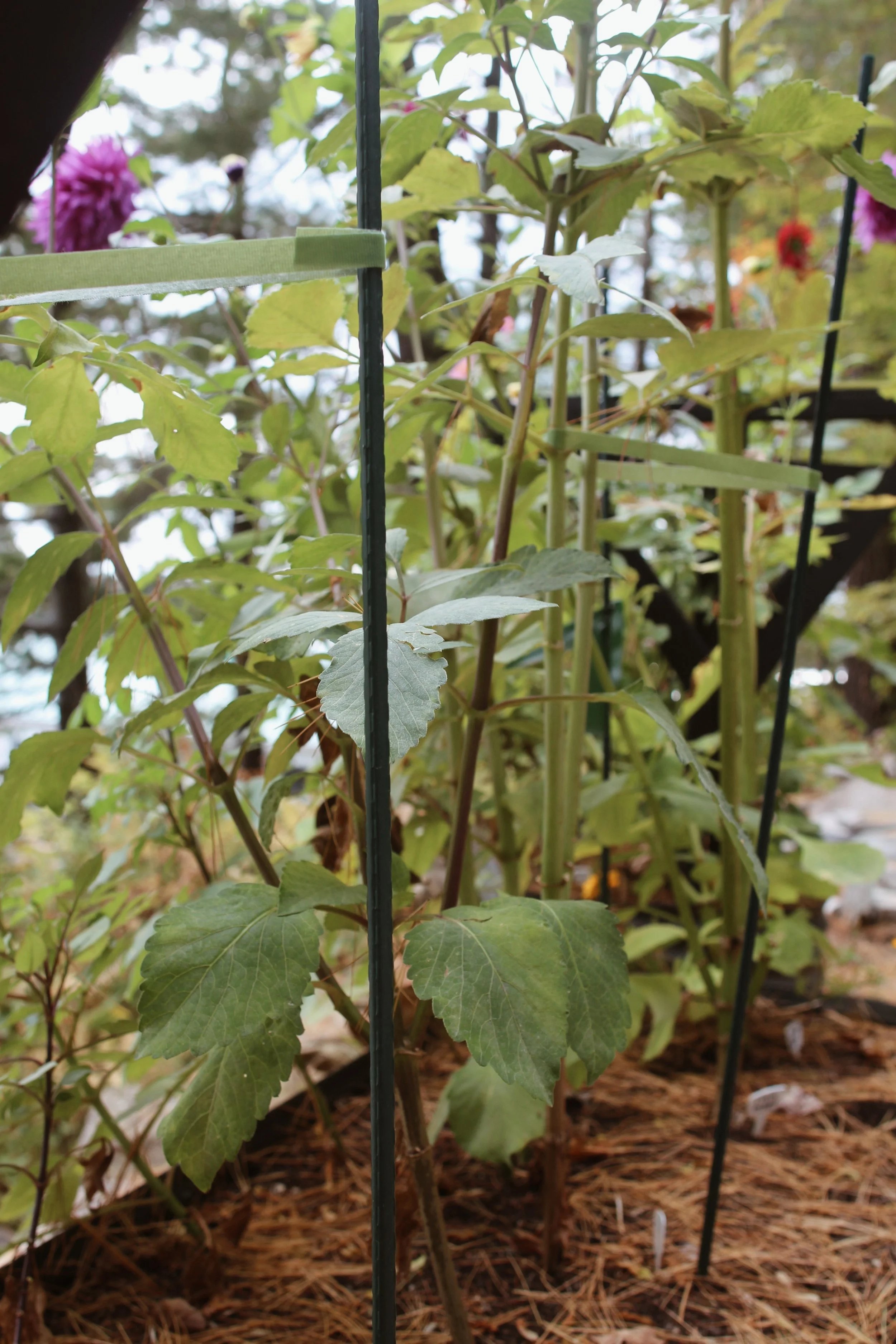
If you’ve ever grown cut flowers that are tall and blooming beautifully, then you likely know the pain of finding a stalk bent and broken after a windy day or a heavy rainfall. This is why I know longer mess around when it comes to staking the dahlias and zinnias in the cut flower garden. I’ve tried several stakes during our tenure at Steep Hill and so far, these are the ones I like best. They have a steel core so they’re very sturdy and can withstand the weight of a mature dahlia stalk, that is loaded with blooms. They also have an exterior grade coating with little notches along the entire length, which helps any ties stay put instead of slipping down the stake over time.
I’ve found it helps to place the stakes when the tubers first go into the beds in the spring so that you can start tying the stalks on before they get to thick or unruly.
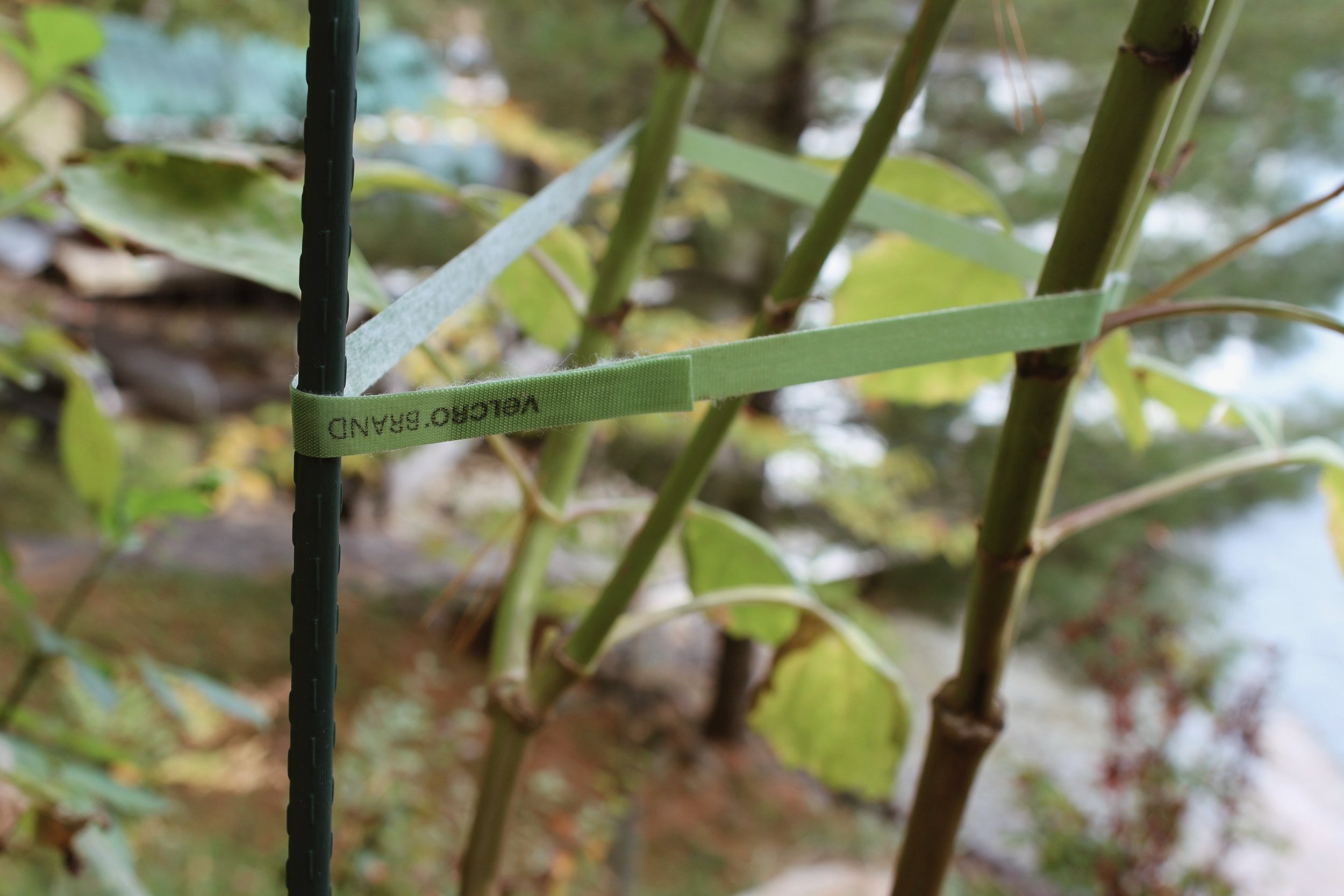
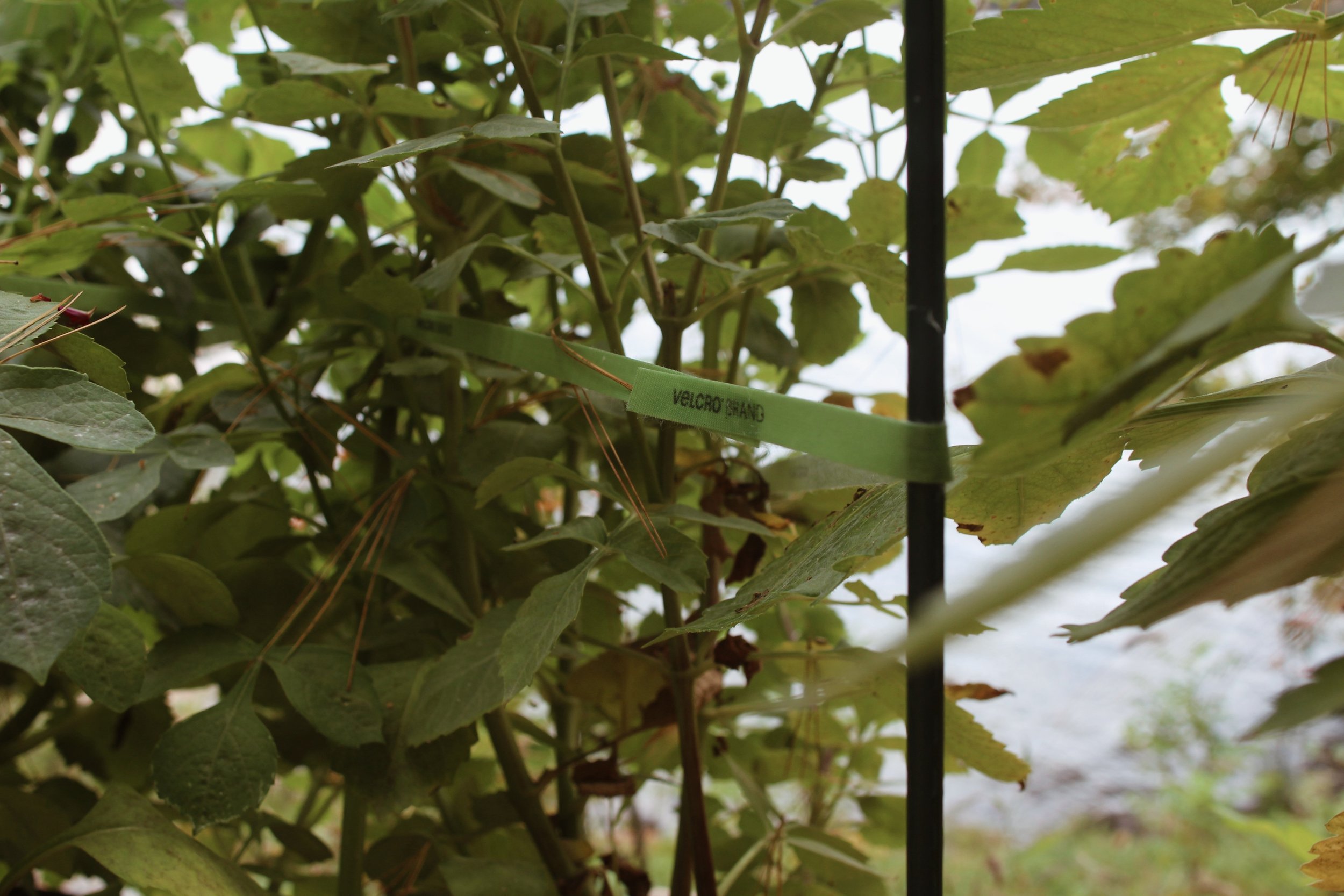
A ribbon of green plant velcro secures the stalks of a tall dahlia to a sturdy stake.
PLANT VELCRO
This tape is another tried and trusted staple in the cut flower garden. I’ve used all sorts of twines and ribbons and tapes to connect the dahlias to the stakes and, without a doubt, the best option is this plant Velcro tape. I bought a couple of rolls a few years ago and have been able to reuse them ever since. The best part is that it is super easy to use (ie: no tying knot or bows), you can adjust as needed throughout the season, then when the time comes just roll it back up and store it until the following spring.
Note: it is velcro, so watch your knitwear when using it!
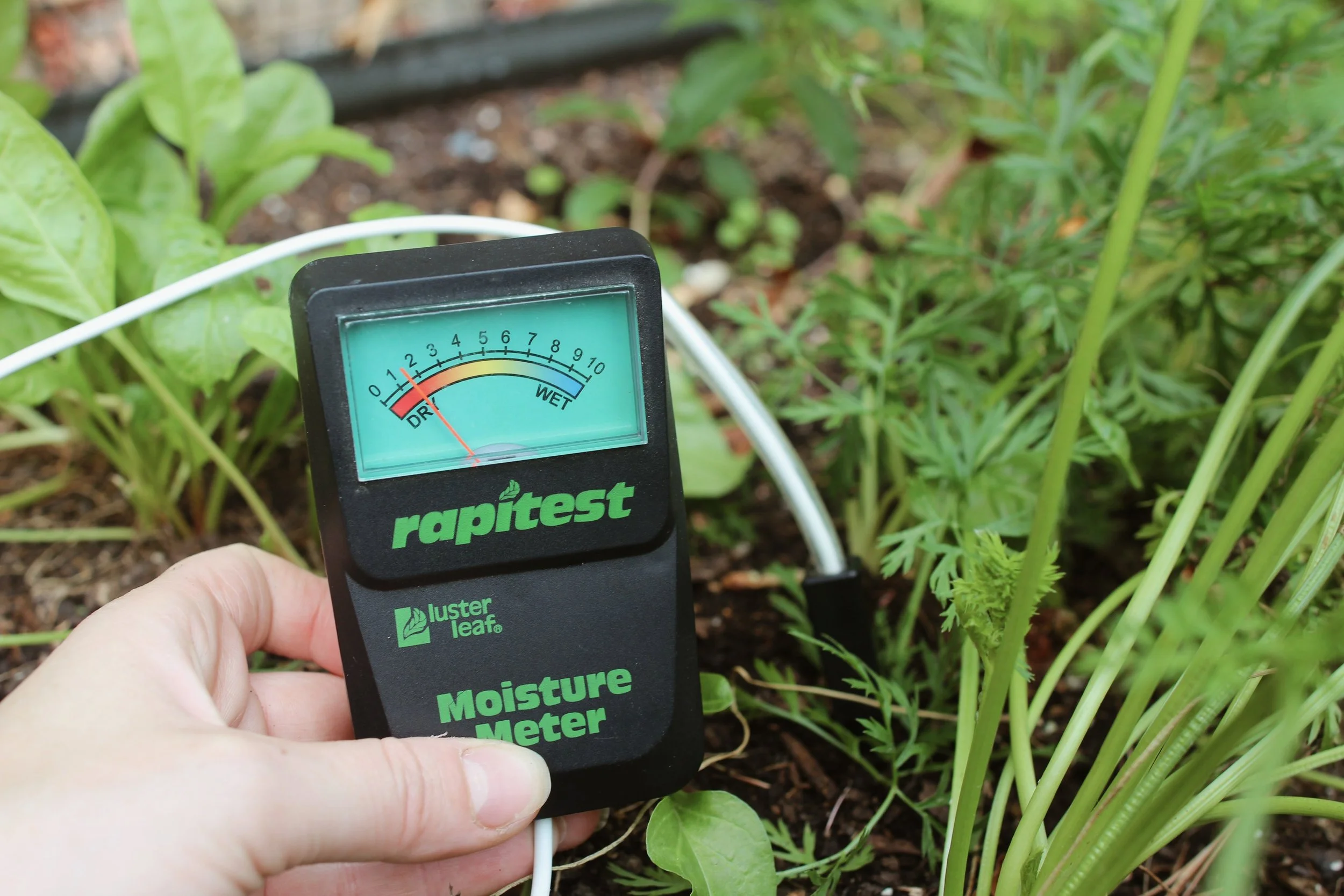
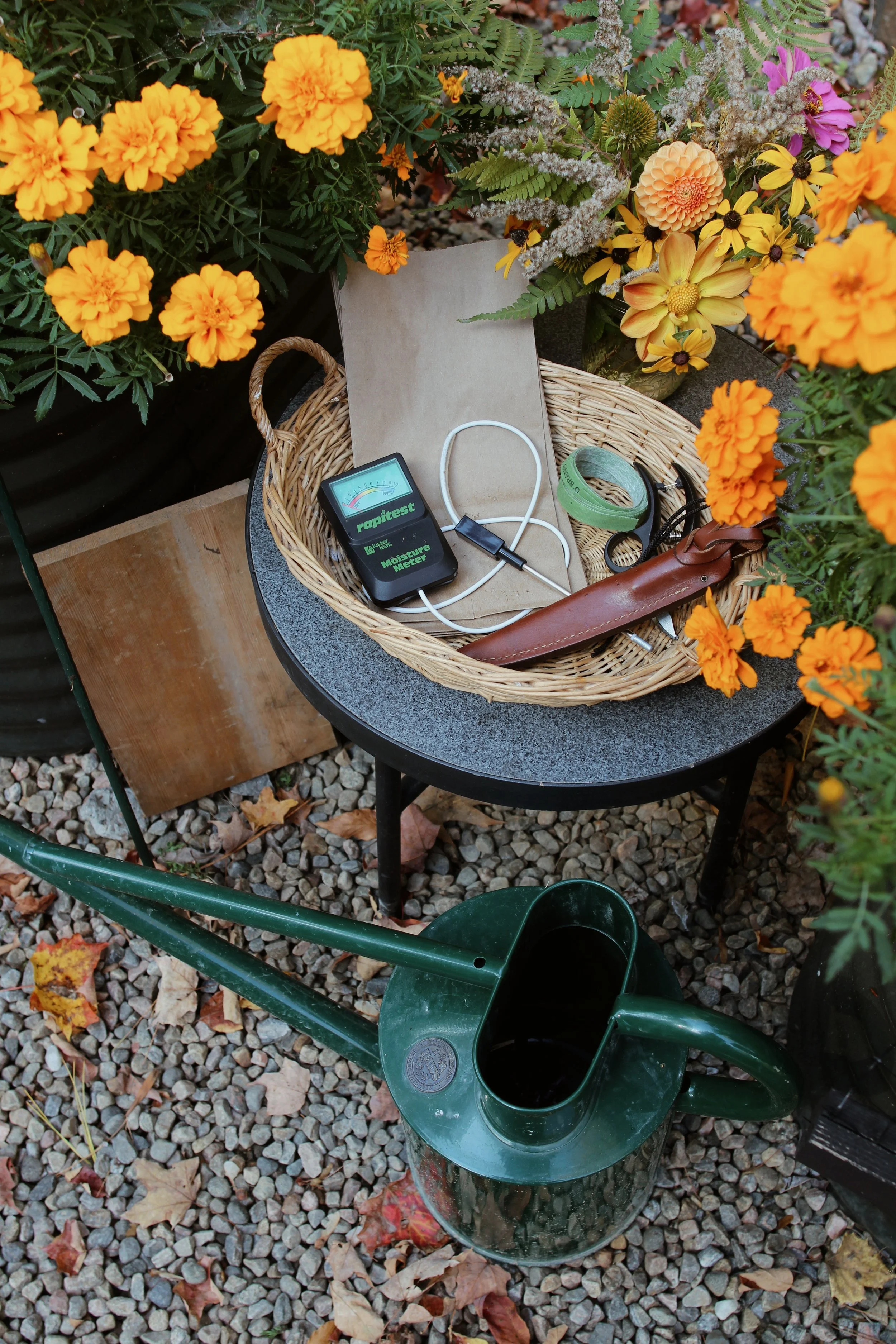
A Moisture Meter display reads ‘DRY’ with the probe in the soil by the spinach.
MOISTURE METER
This is a tool I swear by for indoor gardening. Since I started using it, I never overwater my potted plants. This summer I started using it outside and it has been a game changer for my watering protocols in the raised planters and perennial gardens. It’s great for new plantings to ensure they are getting enough but not too much water when they’re in the precarious stage of getting established. I also like that it has a flexible probe so you can get into tricky to reach spots or around delicate plants like jades and cacti.
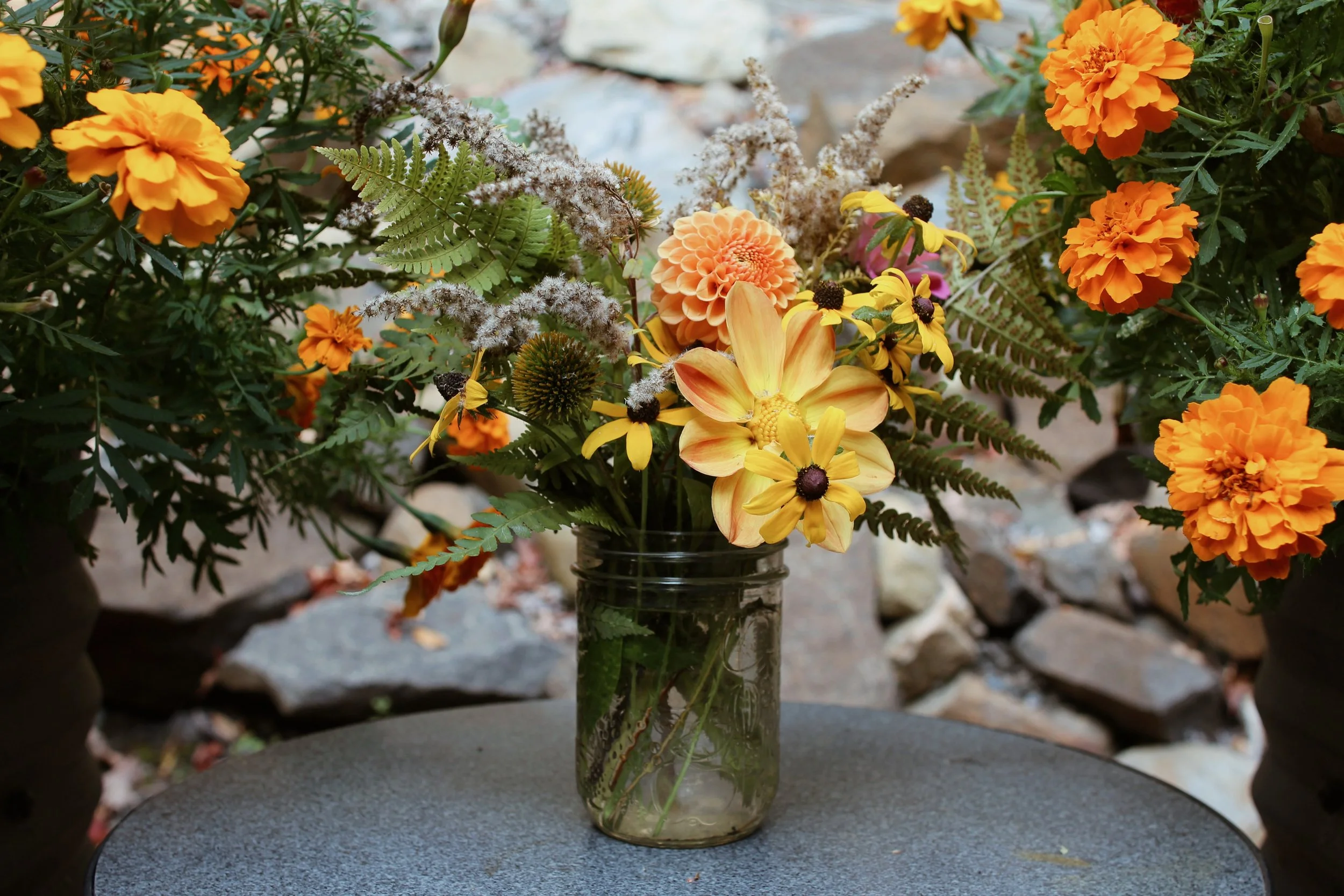
A mason jar is filled with freshly cut dahlias, rudbeckia, ferns, echinacea seed heads and fluffy goldenrod plumes.
MASON JARS
I love creating cut flower arrangements and offering them to our friends and neighbours, so mason jars are often the perfect vessel to gift them in. We have a huge supply from all the pickling and canning we do so if we don’t see them ever again, that’s no problem. I find the 500 mL regular mouth jars are the best for the size of arrangements I tend to create.
I’m still learning about growing cut flowers and optimizing vase life, but so far the number one insight I can offer, is the second a flower is cut, get it into fresh water. The longer a stem is out of water and off the plant, the shorter its vase life. Having a store of grab and go vases is key to making sure the flowers I cut will last.
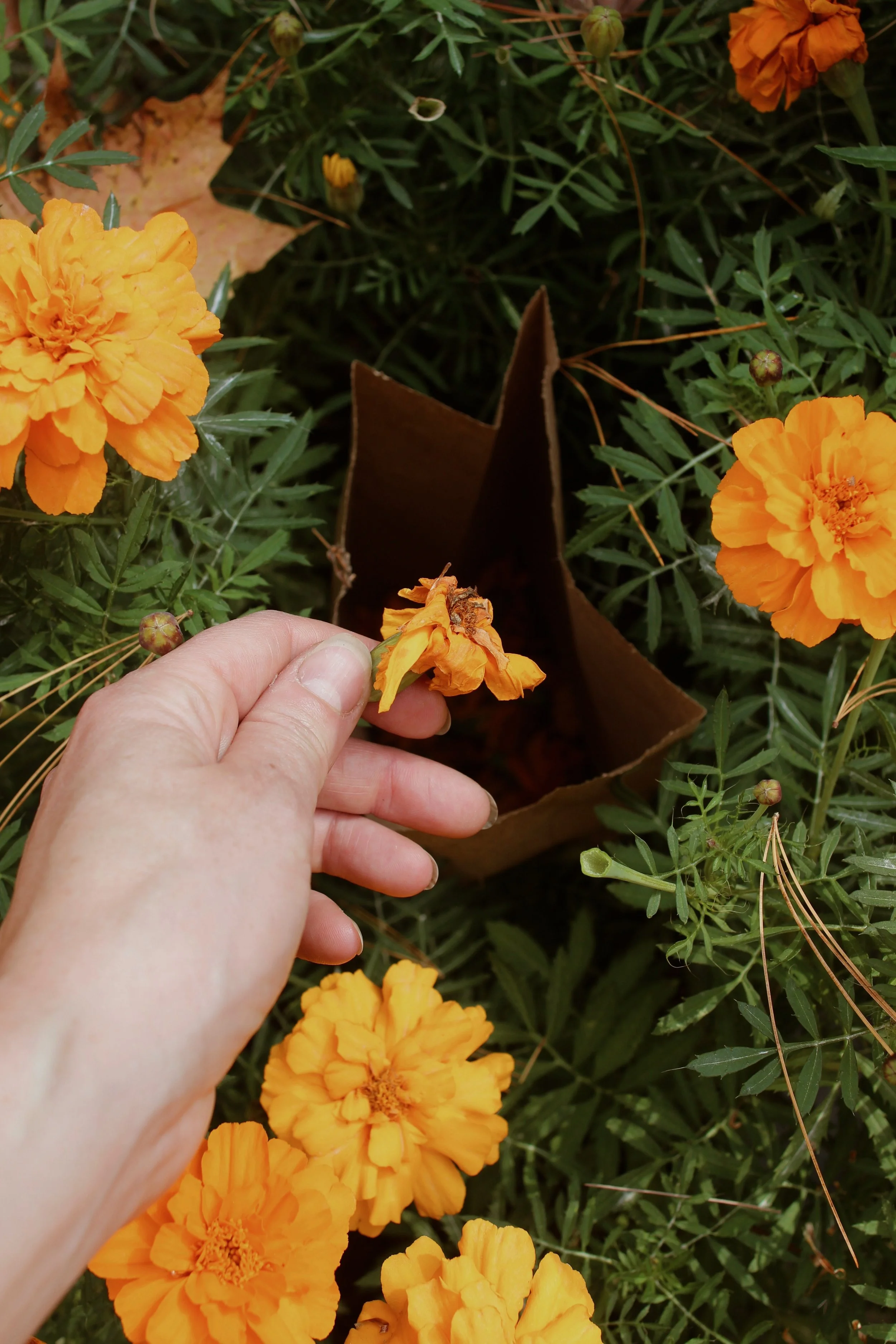
Lee drops a spent marigold for seed saving into a paper lunch bag.
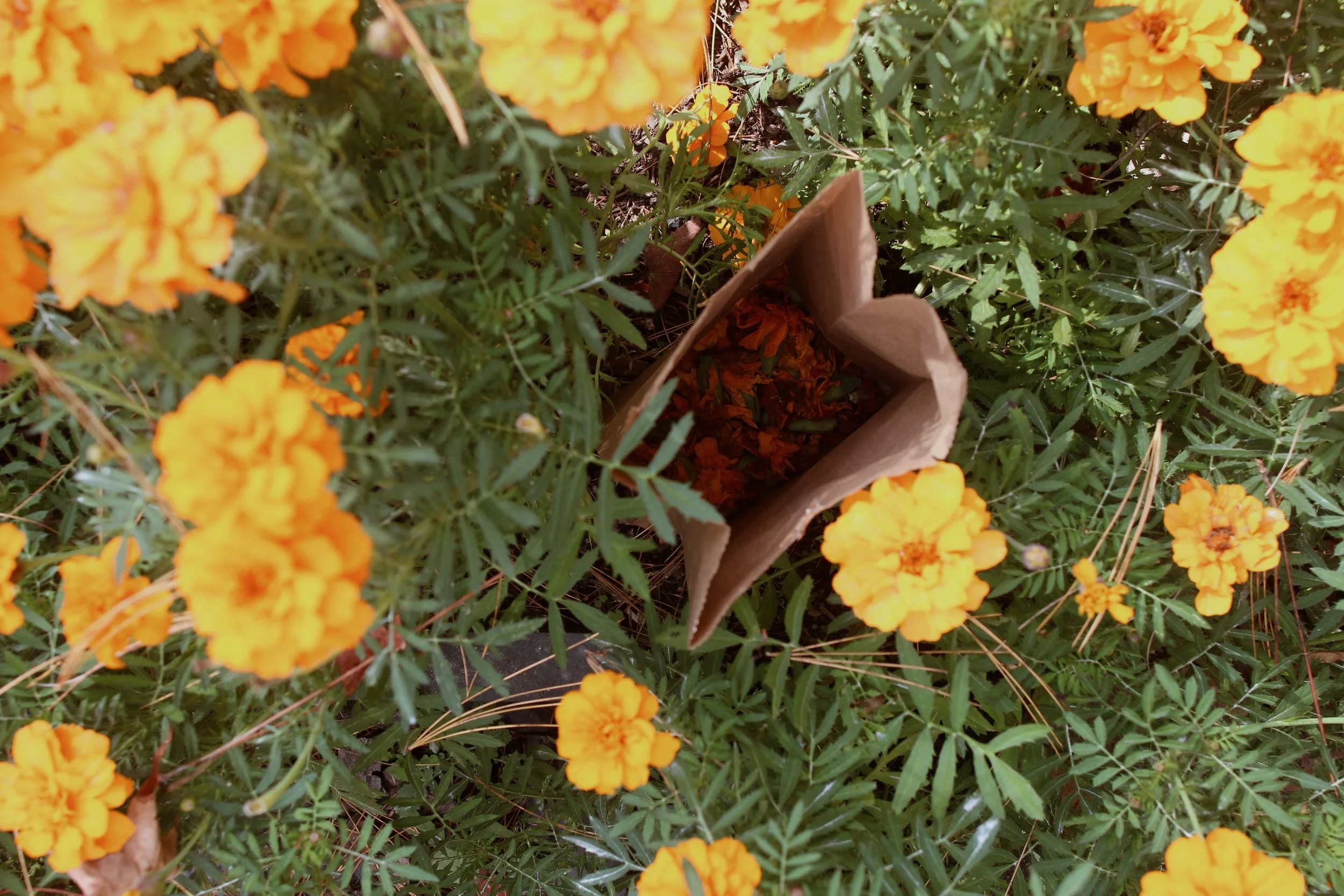
A paper lunch bag fills with marigold see heads for drying and saving.
PAPER LUNCH BAGS
If you want to save seeds or dry herbs from your garden, then having a stack of paper lunch bags handy is helpful. I find they let the seed heads or herbs dry out easily and then all the seeds or herb leaves are contained inside the bag (instead of dropping all over the floor as they will with bundles). Then you can simply fold and staple the top closed and store them until spring!
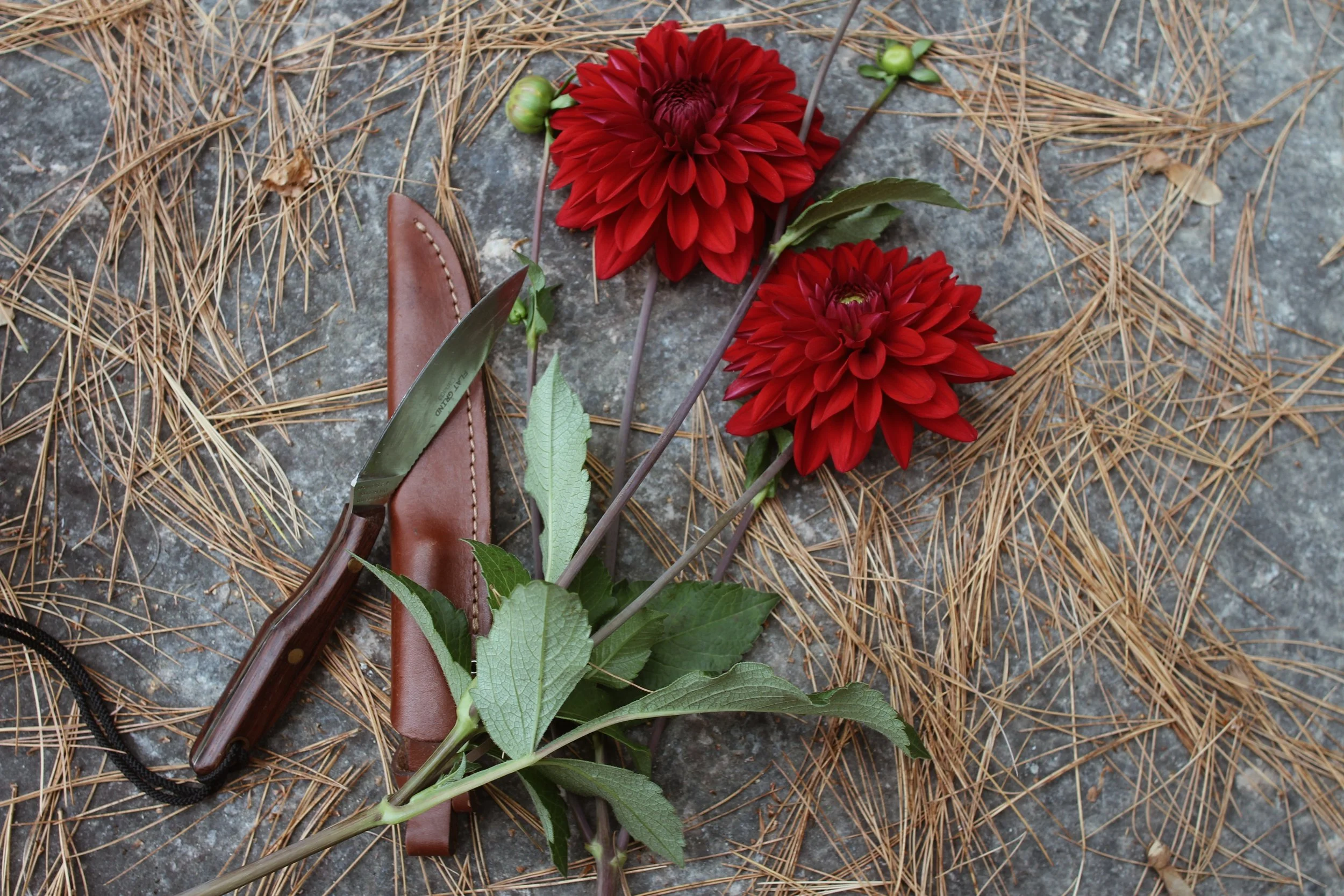
A small Grohman knife and leather sheath set beside freshly cut dahlia stalks with big red blooms.
GROHMAN KNIFE
This knife was another gift from Dave over ten years ago, during our camping days in Algonquin Park. At the time I’ll admit, I didn’t quite see myself as a person that would require such a specialized tool but now I’m so thankful every time I pull it out. A sharp, high quality blade like this is so handy for cutting serious stalks that the clippers can’t handle, or for splitting dahlia tubers that are dense and stubborn but also delicate and complex.
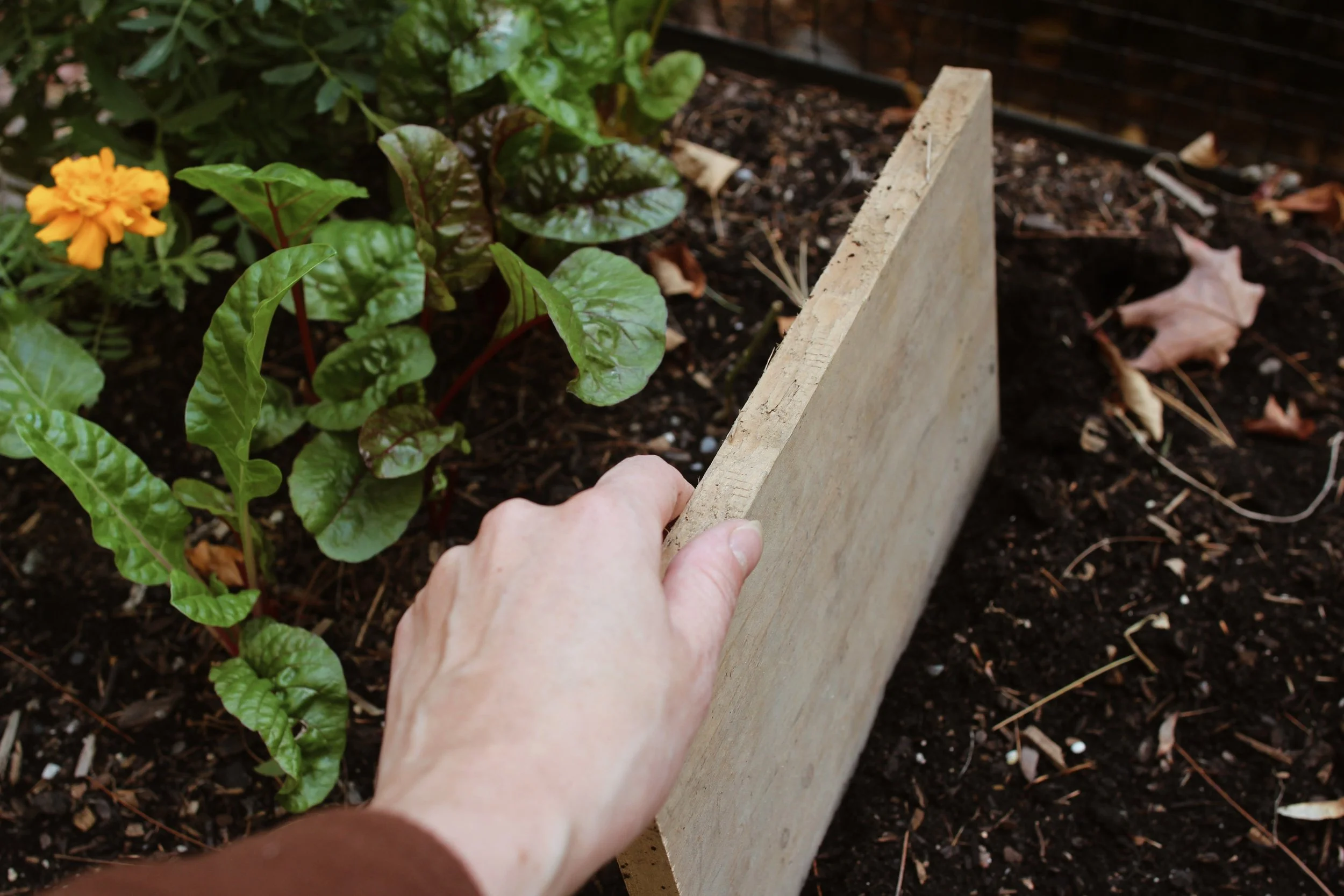
Lee makes shallow trenches for seed planting with a scrap board.
Honourable Mention - Scrap 1×6 Board
A piece of scrap hardwood like this 1x6×12 inch oak board, is so useful for a kitchen garden, especially when it comes to planting time. I know not everyone believes in an orderly garden layout but personally nothing is more satisfying than seeing a planter full of perfectly straight, evenly spaced, rows of seedlings sprouting up.
I use this to dig rows to the ideal depth for the seeds I’m planting, space rows apart to avoid overcrowding, then I use the edge to gently fill the rows back in without displacing seeds or compacting the soil too much.
Thanks for reading!
If you’d like to dig into more garden insights do follow us on our new Instagram account:
